Closing the Query: Shudder vs. Shutter
Posted on Feb 27, 2019
You’re working on a horror piece. You’re setting the suspense up. You write, “The man moved around the house, his shadow moving like snakes behind the shudders.” You pause—was it shudder or shutter? They sound so alike that it’s easy to confuse them with each other. But we’re here to tell you that they’re not in any way interchangeable. Using one in place of the other can be an instant mood killer—not to mention confusing. It’s time to shine a light on shutter and shudder.
Apart from having similar spellings, both shudder and shutter can be a verb and a noun, although one might find that the former is more often used as a verb whereas the latter is usually used as a noun. Note that these two qualities are their only similarities as they have completely different meanings.
Shudder as a verb means “to tremble convulsively.” When you go out on a chilly night and your body just shakes involuntarily, that’s you shuddering. Same thing that happens to a moving car that’s out of gas and to buildings during storms and earthquakes. As a noun, the word simply refers to the act of shuddering. “It gives me the shudders whenever I think about my empty bank account,” one might say.
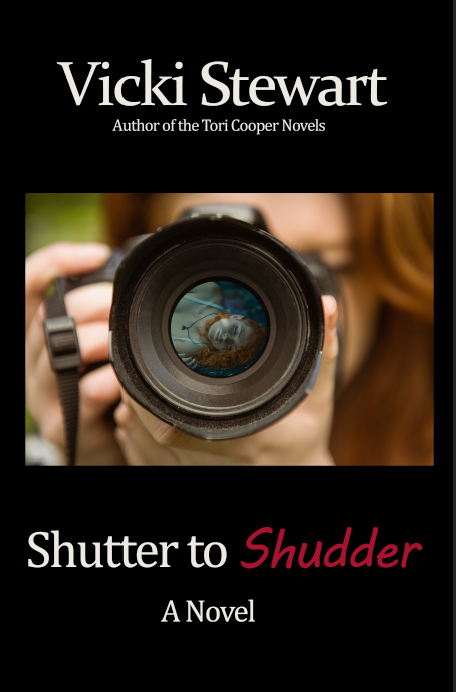
In noun form, a shutter is a “usually movable cover or screen for a window or door.” They’re those fixed slats on windows that people close whenever the sun’s too bright or when they just don’t want neighbors to see them. Shutter also commonly refers to the part of the camera that “limits the passage of light.” On standard cameras, it’s the small device that opens and closes every time a picture is taken. For its verb form, it essentially means “to close something,” often specifically used for blinds, windows, and stores. For example, one can ask their colleague to shutter the store since they’re the last to go home.
Here are some additional sample sentences for review:
- The thin walls of Burton’s room are shuddering from the constant blaring of his brother’s loudspeakers.
- Paxton closed the shutters to keep the neighborhood creep from watching him all day.
- Cedonia shuddered at the thought of getting married to the wicked Duke Wisham.
- His old-fashioned camera could no longer take proper pictures because its shutter cracked when he accidentally dropped it.
- Darynne was bedridden with high fever and incessant shudders.
- The terrified boy shuttered every window as soon as he got home.
Another easy way to distinguish shutter from shudder is by remembering the word shut. It’s both the meaning and part of the spelling of shutter. It should be easy to remember which is which once you’ve got that down.
Now go forth and make the world shudder with your perfect word use! If that’s too dramatic, we can settle with just using the right words for the right occasions. Since we’re done here, let’s call it a day and close the shutters.
If you’ve got other questions on grammar and writing, send us a line, and we’ll do our best to help. Until next time!
Sources:
- Shutter | Definition of Shutter by Merriam-Webster
- Shudder | Definition of Shudder by Merriam-Webster
- Shudder or Shutter -- What is the Difference?
Disclaimer: Image is not ours. Credit to the owner.
About 1-Hour Proofreading
1-Hour Proofreading is a growing start-up offering fast and efficient editing services at a reasonable price with the assurance that the document is publication-ready the soonest you need it. Its team of highly competent professional editors is committed to helping those in need of quality editing services while facing tough deadlines.
Visit 1hourproofreading.com for more details.
Follow us:
Back to Grammary